Author: ferociouscontent

Tank vs. Tankless Water Heaters in St. Petersburg: Cost, Lifespan & Local Utility Impact

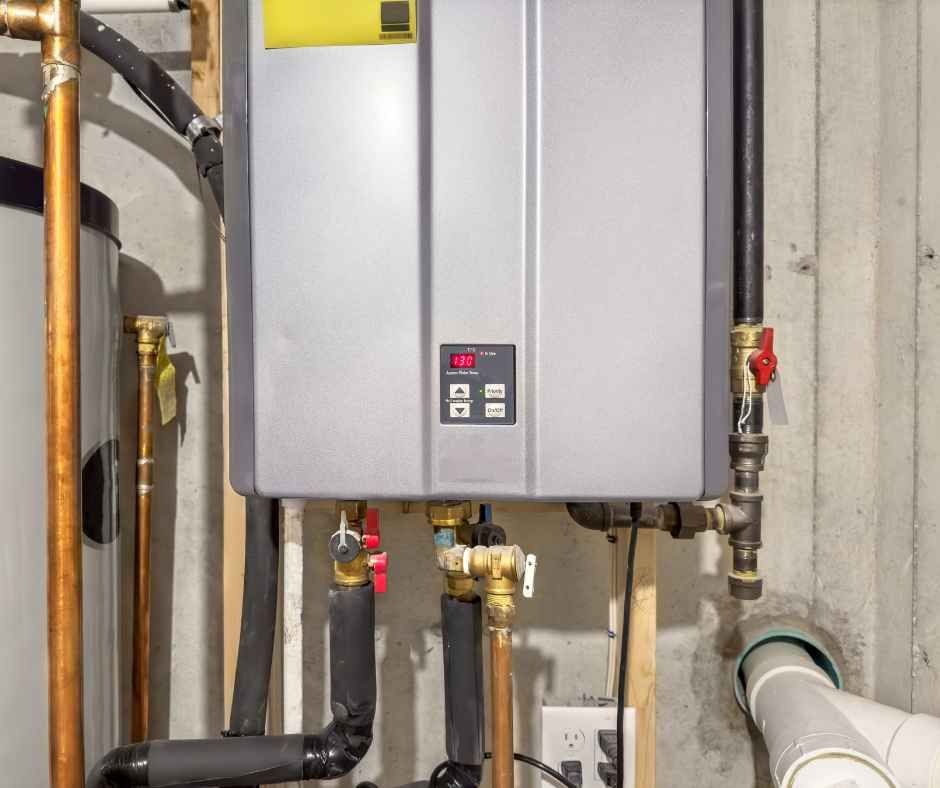
Choosing a new water heater in St. Petersburg is more than just a matter of price: it is a decision that affects your monthly comfort and your long-term household budget. Homeowners in the Sunshine City must contend with specific environmental factors, such as high humidity and “very hard” water from the Floridan Aquifer, which can significantly shorten the lifespan of standard appliances. Whether you are living in a historic home near Old Northeast or a modern condo downtown, the choice between a traditional storage tank and a high-efficiency tankless system depends on your specific hot water demand and your interest in local energy incentives. 

In this blog, we will break down the key differences between tank and tankless water heaters and highlight the unique utility rebates and geological challenges St. Petersburg residents should consider before making an investment.

Comparing Upfront Costs and Long-Term Value

When evaluating water heaters in St. Petersburg, the first hurdle most homeowners face is the high upfront cost. Traditional tank water heaters have been the standard for decades because they are relatively inexpensive to purchase and install. However, the higher price tag of a tankless system often reflects its advanced technology and the complex labor required for a proper setup. In the humid Florida climate, the long-term value of your investment depends heavily on how much hot water your household consumes and how long you plan to stay in your current residence.

The financial breakdown typically involves several key factors that influence the total cost of ownership:

  • Initial Installation Costs: A standard tank replacement in St. Petersburg usually ranges from $1,500 to $2,800, while a tankless conversion can cost between $3,000 and $6,500, depending on necessary infrastructure upgrades.
  • Infrastructure Upgrades: Transitioning to tankless often requires larger gas lines or upgraded electrical panels to handle the intense, immediate power demand required to heat water on the fly.
  • Monthly Energy Efficiency: Tankless units are significantly more efficient, often achieving 80% to 99% efficiency, compared with 40% to 60% for many traditional storage tanks.
  • Operational Savings: Because tankless models eliminate standby heat loss, the average St. Petersburg family can expect to save at least $100 annually on utility bills.
  • Payback Period Considerations: While the energy savings are consistent, the “break-even” point where a tankless unit pays for its higher upfront cost can range from 10 to 20 years.

Deciding which system offers the best value requires balancing your current budget with your future savings goals. While a tank heater is more cost-effective today, a tankless system is often the more economical choice for “forever homes,” where cumulative energy savings eventually offset the higher installation cost.

Lifespan and the St. Petersburg Hard Water Factor

Water quality in Pinellas County plays a significant role in how many years of service you will get from your appliance. St. Petersburg’s water supply is categorized as hard to very hard, typically measuring between 9 and 11 grains per gallon of mineral content. These minerals, primarily calcium and magnesium, do not simply disappear when water is heated: instead, they solidify and settle. Over time, this creates a thick, rock-like scale that insulates the heating element from the water. This environmental reality means that a water heater in Florida often has a shorter life expectancy than the same model in a region with naturally soft water.

The following points detail how St. Petersburg’s water chemistry impacts the longevity of your system:

  • Traditional Tank Lifespan: In our local area, a standard tank typically lasts 8 to 12 years before the internal glass lining corrodes or sediment buildup becomes unmanageable.
  • Tankless Longevity: Because they do not store standing water, tankless units can last 15 to 20 years, provided they are professionally descaled to prevent mineral blockage in the narrow heat exchanger.
  • The Role of the Anode Rod: In tank systems, a sacrificial anode rod attracts corrosive elements to protect the tank; however, St. Petersburg’s water can often deplete these rods in as little as three years.
  • Sediment “Kettling” Issues: As minerals settle at the bottom of a tank, they can cause the unit to emit popping or banging noises, indicating that the metal is being stressed by localized overheating.
  • The Softener Advantage: Installing a whole-home water softener can nearly double the effective life of either system by removing the scale-forming minerals before they reach the heating elements.

Maintaining your system in this high-mineral environment requires a proactive approach rather than a “set it and forget it” mentality. Without regular flushing or descaling, your unit’s efficiency will decline each year as the scale layer thickens. By choosing a system and a maintenance plan that specifically accounts for the Floridan Aquifer’s mineral profile, you can avoid the premature failure that plagues so many local households.

Local Utility Impact and St. Petersburg Rebates

The financial attractiveness of a new water heater in St. Petersburg is significantly enhanced by local utility incentives. Because water heating accounts for roughly 18% of a typical Florida home’s energy consumption, local providers like Peoples Gas and Duke Energy offer substantial rebates to encourage the adoption of high-efficiency technology. These programs are designed to offset the higher upfront cost of tankless or hybrid systems, making the transition more accessible for the average homeowner. However, these incentives often come with specific installation requirements that must be met to qualify for the cash-back allowances.

Homeowners can leverage several specific programs to reduce their net investment:

  • Peoples Gas Switching Incentives: As of 2026, residents switching from an electric water heater to a natural gas tankless unit may qualify for rebates of up to $700.
  • Natural Gas to Gas Upgrades: Even if you already use gas, upgrading an old, inefficient tank to a high-efficiency tankless model can net you a rebate of approximately $550.
  • Duke Energy Hybrid Rebates: For homes without gas access, Duke Energy offers rebates up to $800 for the installation of Energy Star-certified heat pump (hybrid) water heaters.
  • Energy Check Prerequisites: To qualify for most local electric rebates, homeowners must complete a free Home Energy Check from their provider within 24 months of the installation.
  • Federal Tax Credits: In addition to local utility incentives, the Energy Efficient Home Improvement Credit (25C) provides a federal tax credit of up to 30% of the project cost, capped at $600 for water heaters.

These financial incentives fundamentally change the “payback period” for a new system. By combining local utility rebates with federal tax credits, the net cost of a premium tankless system can often be brought down to a level comparable to a standard tank installation. It is essential to work with a licensed contractor who understands the specific filing deadlines and documentation required by St. Petersburg’s local utility boards to ensure you do not leave money on the table.

Performance in the Florida Climate

The local climate in St. Petersburg offers a unique advantage for water heater performance, particularly for tankless technology. Unlike homeowners in northern states who must heat water from near-freezing temperatures, Florida residents benefit from much warmer groundwater. The average temperature of the water entering your home from the city supply stays between 69 and 72 degrees Fahrenheit year-round. This high starting temperature means your water heater has a much smaller “temperature rise” to achieve before it reaches your desired setting of 120 degrees, which significantly boosts the efficiency and flow rate of the unit.

The following environmental factors influence how water heaters perform, specifically in the St. Petersburg area:

  • Increased Flow Rates: Because incoming water is already warm, a tankless unit rated at 4 gallons per minute in Michigan can often deliver over 7 gallons per minute in Florida, allowing for more simultaneous showers.
  • Garage Installation Benefits: Most St. Petersburg water heaters are located in unconditioned garages, where ambient heat helps maintain the storage tank temperature, reducing the energy required for recovery.
  • Groundwater Consistency: Florida’s groundwater temperature remains remarkably stable, which prevents the seasonal fluctuations in hot water availability that often plague homes in colder climates.
  • Humidity and Ventilation: High coastal humidity can accelerate corrosion on exterior venting; therefore, using high-grade stainless steel or PVC venting is essential to the longevity of gas-powered units.
  • Space-Saving Utility: In smaller Florida bungalows or coastal villas, the compact size of a tankless unit frees up valuable square footage that would otherwise be occupied by a bulky 50-gallon tank.

By leveraging the warm Florida climate, homeowners can often reduce their equipment requirements while still enjoying superior performance. A properly sized tankless unit in our region can easily support a household with three bathrooms, a luxury that would require multiple units or a massive storage tank in other parts of the country. This geographic “efficiency bonus” makes the Sunshine City one of the best places in the United States to invest in modern water heating technology.

Expert St. Petersburg Water Heater Solutions from Bullseye Home Services

Making the switch to a new water heater is an investment in your home’s future comfort and efficiency. Whether you prioritize the low upfront cost of a traditional tank or the endless hot water and energy savings of a tankless system, understanding the local impact of St. Petersburg’s water and utilities is key. 

At Bullseye Home Services, we specialize in helping Pinellas County residents navigate these choices by providing professional assessments and high-quality installations. Our team is well-versed in local rebate programs and the specific maintenance requirements to address our hard-water environment. Contact us today to schedule your consultation and ensure your home has reliable hot water for years to come.

FAQ

Do tankless water heaters require a special electrical circuit in St. Petersburg?

Yes, most whole-home electric tankless water heaters require significant power, often requiring two to four 40-amp double-pole breakers. This usually necessitates an electrical panel upgrade if your St. Petersburg home still has an older 100-amp service.

How often should I flush my water heater if I live in a hard water area?

Due to the high mineral content in our local water, we recommend flushing a traditional tank once a year. For tankless units, a professional descaling procedure should be performed every 12 to 18 months to prevent clogging of the heat exchanger.

Will a tankless water heater work during a power outage in Florida?

Standard tankless units require electricity to power the digital control board and ignition system, even when gas-powered. If you want hot water during a hurricane-related power outage, you will need a small battery backup or a generator to keep the unit operational.

Can I install a tankless water heater outside my St. Petersburg home?

Yes, many manufacturers offer outdoor-rated tankless models designed to withstand Florida’s elements. This is a popular option in our area because it saves interior space and simplifies venting, though it does require additional protection against salt-air corrosion.

Is it worth getting a hybrid heat pump water heater in Florida?

Absolutely, hybrid water heaters are highly efficient in Florida’s climate because they draw heat from the surrounding air to warm the water. Since our garages are naturally hot most of the year, these units operate at peak efficiency while also providing a “dehumidifying” effect in your garage.

Sarasota Sewer Line Problems After Heavy Rains: Pro Tips for Quick Diagnosis & Repair

Sarasota residents are no strangers to the sudden, intense downpours that characterize the Florida Gulf Coast. While these tropical systems provide much-needed relief from the humidity, they also place significant stress on local residential infrastructure. One of the most critical systems affected by these weather events is your home’s underground wastewater management network. When the ground becomes saturated, your sewer lines must handle significant internal pressure and external environmental shifts simultaneously. 

In this guide, we will provide expert insights on identifying, diagnosing, and repairing sewer line issues caused by heavy rainfall in the Sarasota area. Understanding the unique geological challenges of our coastal region is the first step toward protecting your property from costly water damage and the health risks associated with unsanitary sewage backups.

Why Heavy Rain Triggers Sewer Backups in Sarasota

Sarasota is geographically predisposed to drainage challenges due to its low elevation and flat topography. When a major storm hits, the ground quickly becomes saturated, leading to hydrostatic pressure. This occurs when the weight of the water in the soil exerts an immense force against your buried sewer lines. If there are existing micro-cracks or weakened joints in your pipes, this pressure forces groundwater and silt into the system, a process professionals call infiltration. At the same time, heavy surface runoff can enter the system through manholes or uncapped cleanouts, which is known as inflow. Together, these factors create a “perfect storm” for your plumbing.

The following factors explain why our local weather so often results in sewer failures:

  • Saturated Coastal Soil: Sarasota’s sandy soil can only absorb so much water before the water table rises to the level of your pipes.
  • System Overload: When thousands of gallons of rainwater enter the sanitary sewer system, the pipes reach capacity, and the excess is discharged back toward residential connections.
  • Compromised Pipe Integrity: Older clay or cast-iron pipes common in historic Sarasota neighborhoods are particularly vulnerable to shifting soil during floods.
  • Root Expansion: Moisture-seeking roots grow more aggressively after rain, often finding their way into small cracks and creating immediate blockages.

Understanding these environmental triggers helps homeowners anticipate when their system is most at risk. By recognizing how hydrostatic pressure behaves during a tropical downpour, you can better prepare for the symptoms of a failing sewer line before they lead to a full household disaster.

Quick Diagnosis: Signs Your Sewer Line is Failing

Identifying a sewer line issue early can be the difference between a simple cleaning and a complete system replacement. After a heavy Sarasota storm, homeowners should be highly vigilant about how their plumbing performs during routine use. Often, the first signs of trouble are subtle, but they quickly escalate as the ground settles and the internal pressure within the pipes remains high. If you notice any changes in the way your home handles wastewater, it is likely that the external rain volume has compromised your line.

The following indicators are clear signals that your main sewer line is struggling to manage the post-storm load:

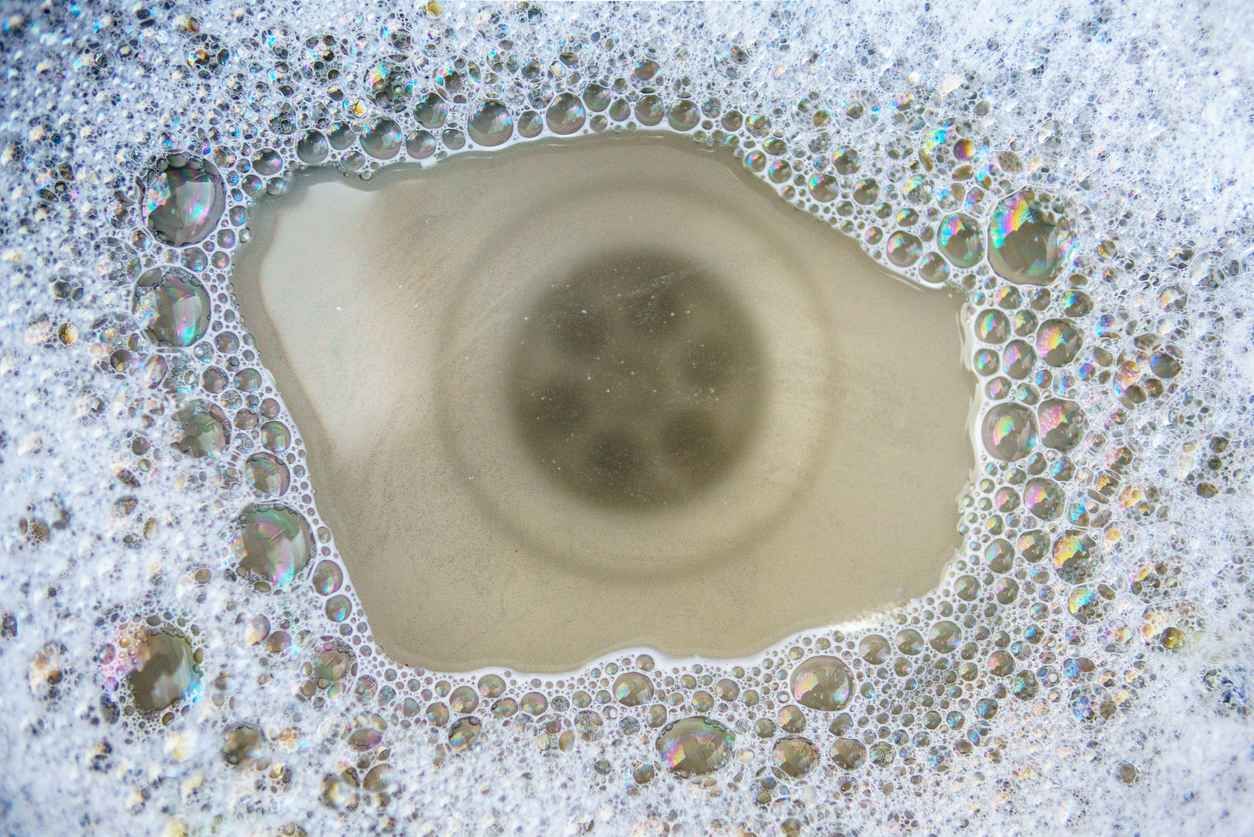
  • Persistent Gurgling Sounds: When you flush a toilet or run a sink, you may hear bubbling or gurgling in the drains, indicating trapped air or a partial blockage.
  • Multiple Slow Drains: If only one sink is slow, it is likely a local clog; if every drain in the house is sluggish, the problem is almost certainly in the main sewer line.
  • Sewage Backups in Tubs or Showers: Since these are often the lowest points in your home’s gravity-fed system, they are the first places where raw sewage will appear during a backup.
  • Persistent Sewer Gas Odors: A healthy system should be airtight; therefore, if you smell rotten eggs or sulfur around your property, there is likely a breach in the line.
  • Unusual Soggy Patches in the Yard: If a specific area of your lawn remains wet or looks significantly greener than the rest of the grass after the rain has stopped, it may be absorbing leaked sewage.

Recognizing these symptoms immediately allows you to take action before the situation becomes a health hazard for your family. Ignoring these red flags after a tropical storm often results in structural damage to the home and the need for more invasive repair methods.

Pro Tips for Immediate Response and DIY Checks

When you realize your sewer line is failing after a storm, your first instinct might be to panic. However, taking a few methodical steps can prevent a bad situation from turning into a total loss of property. In Sarasota, many homes are equipped with dedicated access points that enable a quick assessment before a professional arrives on site. Knowing where these are and how they function is critical to home maintenance in our flood-prone climate.

Follow these immediate steps to mitigate damage and determine the severity of the blockage:

  • Locate Your Main Sewer Cleanout: This is typically a four-inch PVC pipe with a threaded cap, located in your yard or near your home’s foundation.
  • Check for Standing Water: Carefully unscrew the cleanout cap. If water is standing near the top of the pipe, the blockage is likely in the main line or further toward the city connection.
  • Cease All Water Usage: Immediately stop running the dishwasher, washing machine, and showers to prevent adding more volume to an already overwhelmed system.
  • Shut Off the Main Water Valve: If the backup is severe and continuous, turning off the main water supply to the house ensures that no accidental water use occurs while you wait for help.
  • Clear Debris Around Drain Openings: Ensure that outdoor and basement drains are free of leaves and silt that could prevent surface water from escaping.

These preliminary actions give your plumbing system a chance to rest and can stop a backup from overflowing into your living spaces. Once you have stabilized the situation, you can better communicate the specific symptoms to a licensed technician, which often speeds up the diagnostic process.

Professional Repair Solutions for Florida Homeowners

Once the immediate emergency is stabilized, the focus must shift to professional intervention. In Sarasota, traditional “dig and replace” methods are often complicated by landscaping, pool decks, and the high water table. Fortunately, modern plumbing technology offers several non-invasive alternatives suited to our coastal environment. These methods allow technicians to restore your sewer line to its original capacity without damaging your property.

The following professional services are the gold standard for repairing storm-damaged sewer systems:

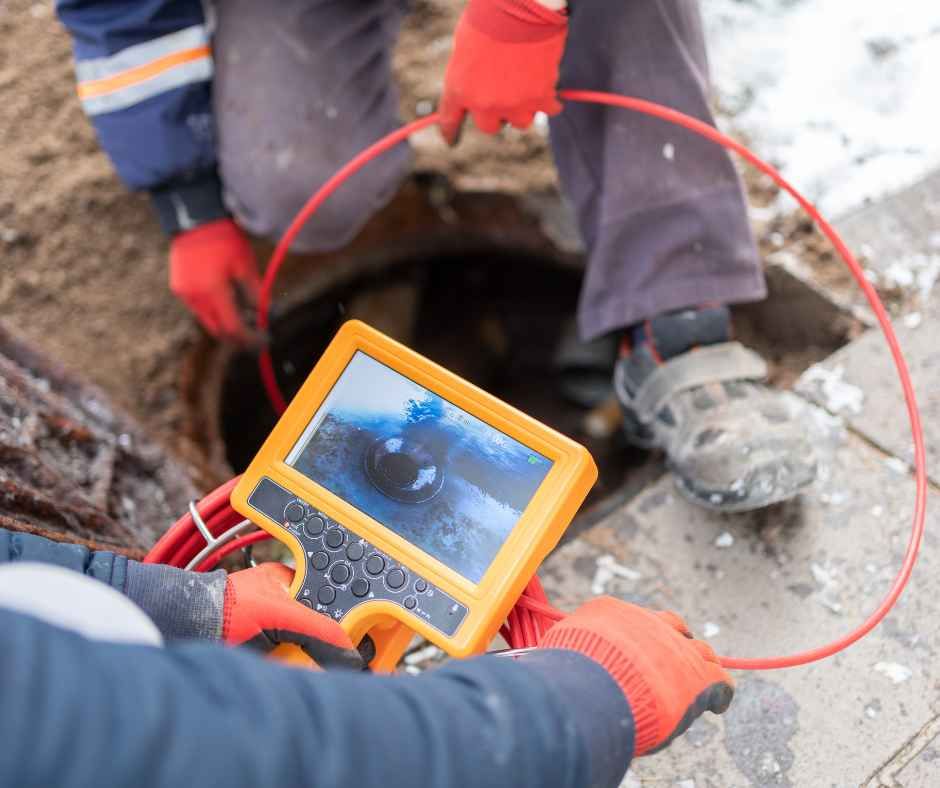
  • Sewer Video Camera Inspection: A waterproof camera is threaded through the line to provide a high-definition view of the exact location and cause of the blockage or structural breach.
  • Hydro Jetting Services: Using specialized nozzles, technicians blast away sand, silt, and grease buildup using high-pressure water streams that do not damage the internal pipe walls.
  • Trenchless Pipe Lining: This process involves inserting an epoxy-saturated liner into the existing pipe, creating a new, seamless pipe within the existing one that resists future root intrusion.
  • Sectional Point Repair: If only one small segment of the line is damaged by a shifting limestone shelf, a targeted patch can be applied to reinforce that specific area.

These advanced solutions are designed to withstand the unique environmental pressures of the Florida Gulf Coast. By utilizing trenchless technology, homeowners can avoid the massive restoration costs associated with excavating driveways or manicured lawns after a major storm.

Preventive Maintenance to Protect Your Property

The most effective way to manage Sarasota sewer line problems is to address them before the next tropical storm arrives. Proactive maintenance is particularly important in Florida, where high air salinity and a fluctuating water table can accelerate the degradation of certain piping materials. By taking a few strategic steps during the dry season, you can ensure your home’s infrastructure is robust enough to handle the sudden hydraulic load of a summer cloudburst.

The following maintenance tasks are recommended to keep your sewer system in peak condition throughout the year:

  • Annual Camera Inspections: Scheduling a professional to run a camera through your line annually helps identify small cracks or root intrusions before they become full-scale blockages.
  • Installation of a Backwater Valve: This one-way valve prevents municipal sewer water from backing up into your home during a citywide system overload.
  • Gutter and Downspout Management: Ensuring your gutters discharge water at least ten feet away from your foundation prevents localized soil saturation near your sewer exit point.
  • Tree Canopy Maintenance: Trimming large trees near your sewer line helps slow the growth of aggressive, moisture-seeking roots that thrive in Sarasota’s humidity.
  • Regular Hydro Jetting: Periodically clearing the “sludge” and mineral deposits from your pipes helps maintain their maximum diameter for high-flow events.

These simple preventative measures significantly reduce the likelihood of an emergency backup during a hurricane or heavy storm. Investing in your sewer line’s health today provides peace of mind when the weather turns, protecting both your finances and your family’s comfort.

Expert Sarasota Sewer Line Solutions from Bullseye Home Services

Sarasota’s heavy rains are a fact of life, but sewer line disasters do not have to be. By understanding the forces of hydrostatic pressure and recognizing the early warning signs of a backup, you can take control of your home’s most vital system. Whether you are dealing with a gurgling drain or a saturated lawn, acting quickly is the key to minimizing damage. Bullseye Home Services provides the expertise and advanced technology needed to keep your plumbing flowing smoothly, regardless of the weather. Our team of local experts understands the unique challenges of Florida soil and stands ready to assist you with everything from camera inspections to trenchless repairs. 

Contact us today to schedule your professional sewer line assessment and protect your Sarasota home from the next big storm.

Frequently Asked Questions

Can I use chemical drain cleaners to clear a storm-related backup?

No, chemical cleaners are rarely effective for main sewer line blockages caused by heavy rain. These chemicals are often too weak to reach the source of a deep clog and can actually damage older pipes or cause toxic reactions when mixed with groundwater and organic waste.

How does Sarasota’s high water table affect my sewer line?

A high water table means that the soil around your pipes is frequently saturated. This increases external pressure on the pipes and makes it easier for groundwater to seep into existing cracks, which quickly leads to a system-wide overload during rain.

Will my homeowners’ insurance cover a sewer backup after a rainstorm?

Standard homeowners’ insurance policies often do not cover sewer backups unless you have a specific “Sewer Backup Rider” or endorsement. It is important to review your policy details before a storm occurs to ensure you have the necessary financial protection.

What is the difference between a clogged drain and a sewer line failure?

A clogged drain usually affects only one fixture, such as a single sink or toilet. A main sewer line failure is a systemic issue in which all drains in the house become sluggish or back up simultaneously because the exit path for all wastewater is blocked.

Is trenchless pipe lining durable enough for Florida’s coastal climate?

Yes, the epoxy resins used in trenchless pipe lining are incredibly durable and resistant to the corrosive effects of salt and high moisture. Once cured, these liners create a seamless barrier that is stronger than the original pipe and highly resistant to root penetration.

×
js_loader